
GTA 6 isn't just a bigger city with sharper textures. The hard part was deciding how two characters behave around each other, how much realism a person actually wants while buying a beer, and how thousands of separate jobs get stitched into one state that holds together. That work started long before anyone saw a trailer.
Before Leonida, There Was Project Americas
Senior staff at Rockstar flew to Miami in 2015 for an early research trip, years before the game had a public name. Internally the project was called Project Americas, a nod to an early plan that would have covered chunks of both North and South America. That ambition was eventually cut back to Vice City and the state around it.
The original idea was to build GTA 6 alongside Red Dead Redemption 2, but the western kept growing and swallowed most of the company's resources. GTA 6 slipped down the schedule, though plenty of the systems created for Red Dead carried across to the next project. By the close of 2019, the outline of Jason and Lucia's story was on paper.
How the Game Comes Together
Rockstar North in Edinburgh sits at the centre of it, with studios across the company feeding in work. Three people share the head-of-development role: Rob Nelson, Aaron Garbut and Phil Hooker, each overseeing a different slice of a project that can't be assembled by finishing one department before starting the next.
The rhythm is built on eight-week milestones. Artists, programmers, designers and specialists pull an agreed section together, then the team reviews what landed and what didn't. Those findings shape the next block of work, so the game grows through repeated testing rather than by following a blueprint nobody ever revises.
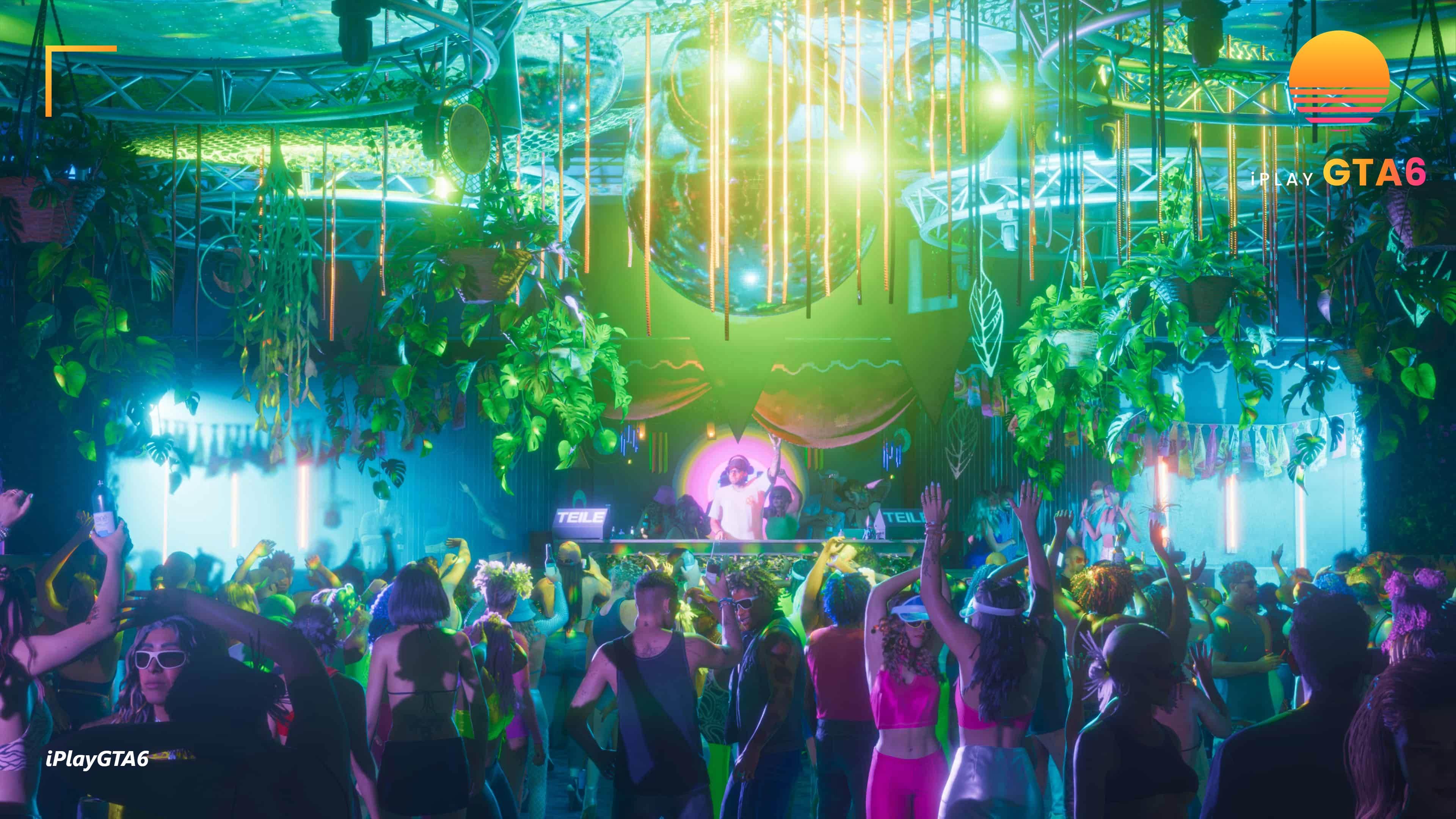
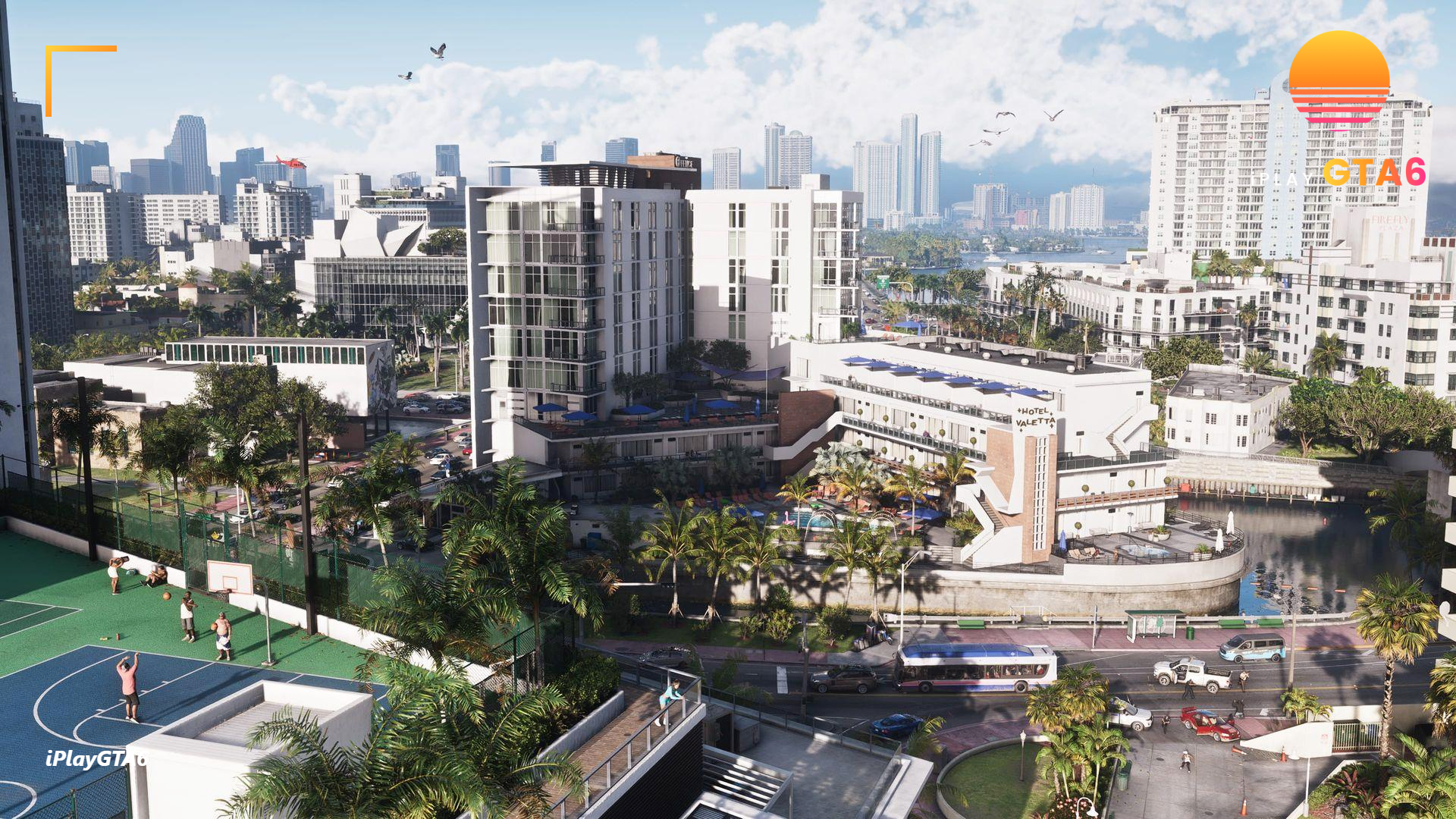
A single nightclub shows how tangled it gets. Character behaviour, animation, music, the drinks and the lighting all have to land at once. Rockstar also set up a Los Angeles team dedicated to writing and producing pedestrian life, so background chatter holds up whether you sprint past it or stop to eavesdrop.
Why It Took So Long
Some of the toughest calls were about ordinary actions. The team argued over how many steps it takes to buy a drink or cook food, weighing believable interactions against the risk of making simple things a chore. Sharper visuals made cheap shortcuts more obvious, but piling on extra steps wasn't automatically the fix.
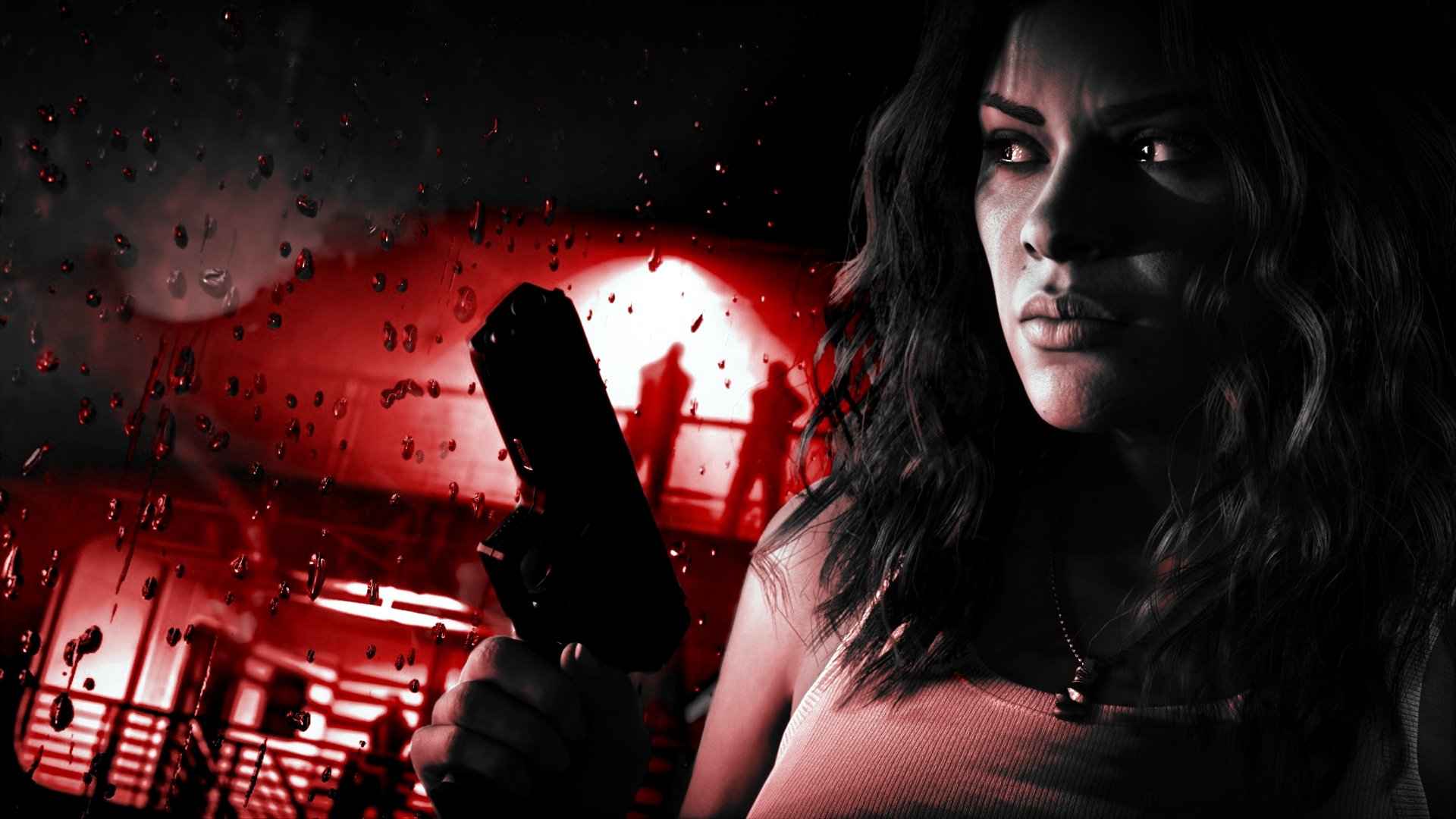
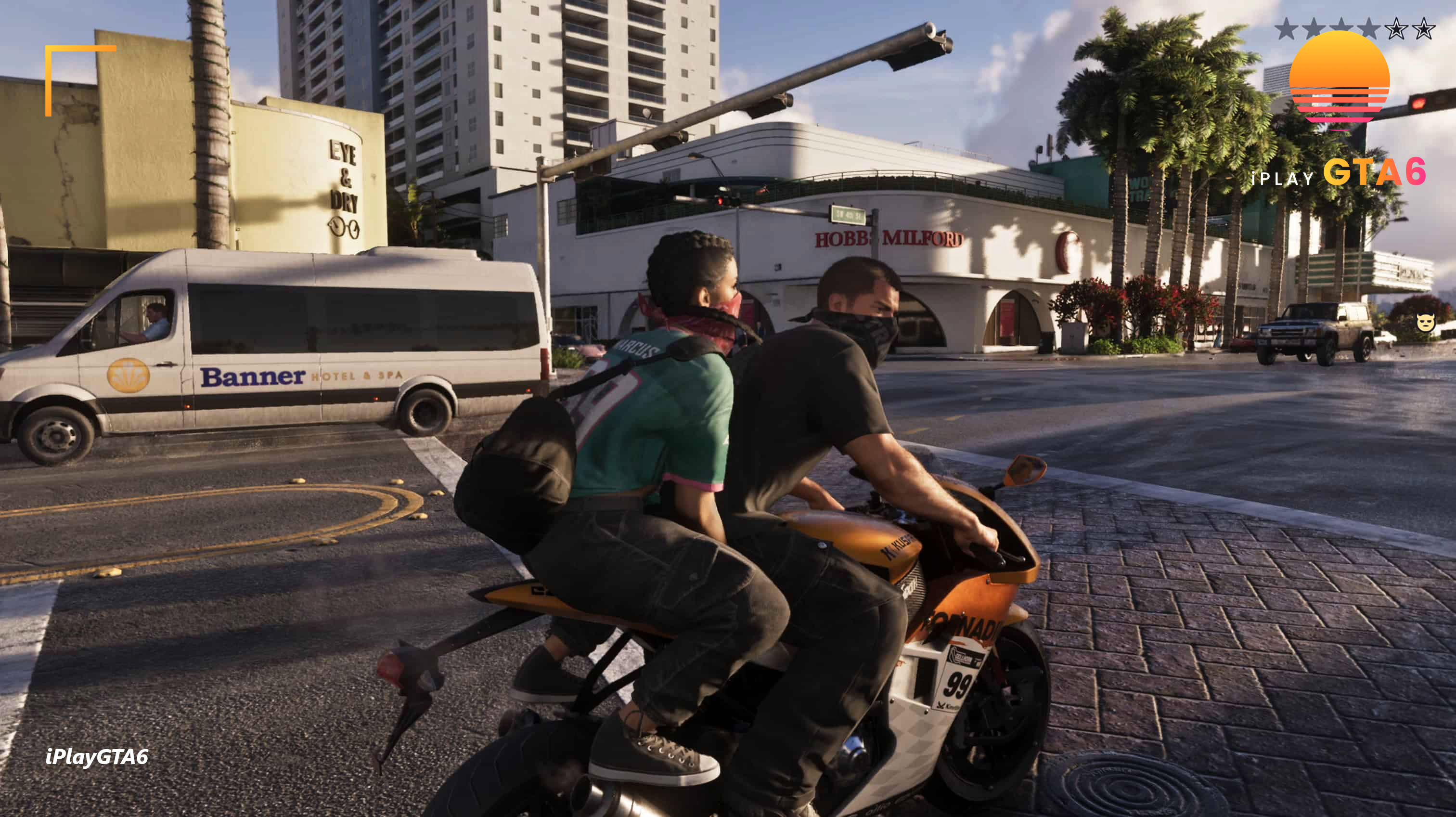
Keeping Jason and Lucia together outside scripted missions created a different headache. Their companion behaviour had to survive activities, long drives and crimes in a world where the player can change plans mid-sentence. That needed far more than writing extra lines for a second character.
The pandemic cut into production too, halting performance capture outright. On top of that, growing teams and changes among senior leadership made communication and decision-making harder. None of it was one single disaster that explains the wait. It all stacked up on top of the creative work.
Leaks, Security and Crunch
The September 2022 leak dropped unfinished gameplay into the world before Rockstar was anywhere near ready to show it. Beyond the simple fact of stolen material, developers described the experience as invasive. Work that had never been meant for an audience was suddenly being judged without any of the context it was made in.
In April 2024, the studio called staff back into the office five days a week, pointing to productivity and security. Limits on remote access became a separate worry for employees who needed flexibility at home. That policy sits inside the wider conversation about working conditions at Rockstar. It isn't evidence that the game was already finished.
Rockstar also reworked scheduling, grew its headcount and introduced arrangements like time off in exchange for extra hours, all aimed at cutting crunch. Those efforts shouldn't be mistaken for overtime disappearing. Head of publishing Jennifer Kolbe has acknowledged the experience wasn't perfect, while describing real improvements over Red Dead Redemption 2.
Two Delays and the Current Date
The first target was 2025. That moved to May 26, 2026, and then a second delay pushed GTA 6 to November 19, 2026. The development leads described systems that weren't finished and production demands that refused to line up fast enough. Hitting the earlier date would have meant shipping something less than the game they set out to make.
As of November 9, 2026, the announced launch is still November 19 on PlayStation 5 and Xbox Series X|S. That's the current schedule, not a promise that every last task is done. Rockstar's stated reason for the extra time was simple: it wanted the polish the game is expected to have.
Development Questions
Did the 2022 leak force Rockstar to restart GTA 6?
No. Rockstar said development would carry on as planned after the breach. The incident hurt the team, but there's nothing to support the idea that the game was scrapped and rebuilt.
Does Project Americas mean South America gets added later?
No. It describes what Rockstar considered during early planning, not a roadmap. Places discussed for that earlier version were never promised as additions to the released game.
Is a PC version part of the November launch?
It isn't. The announced release covers PS5 and Xbox Series X|S only. No PC date exists, and guesses based on earlier Rockstar ports don't amount to a confirmed schedule.