
You've spotted it a thousand times. Two men with identical shoulders walking past each other on opposite pavements. A woman idling with the exact same weight shift you saw three blocks back. The city is packed and somehow still feels like a warehouse of mannequins.
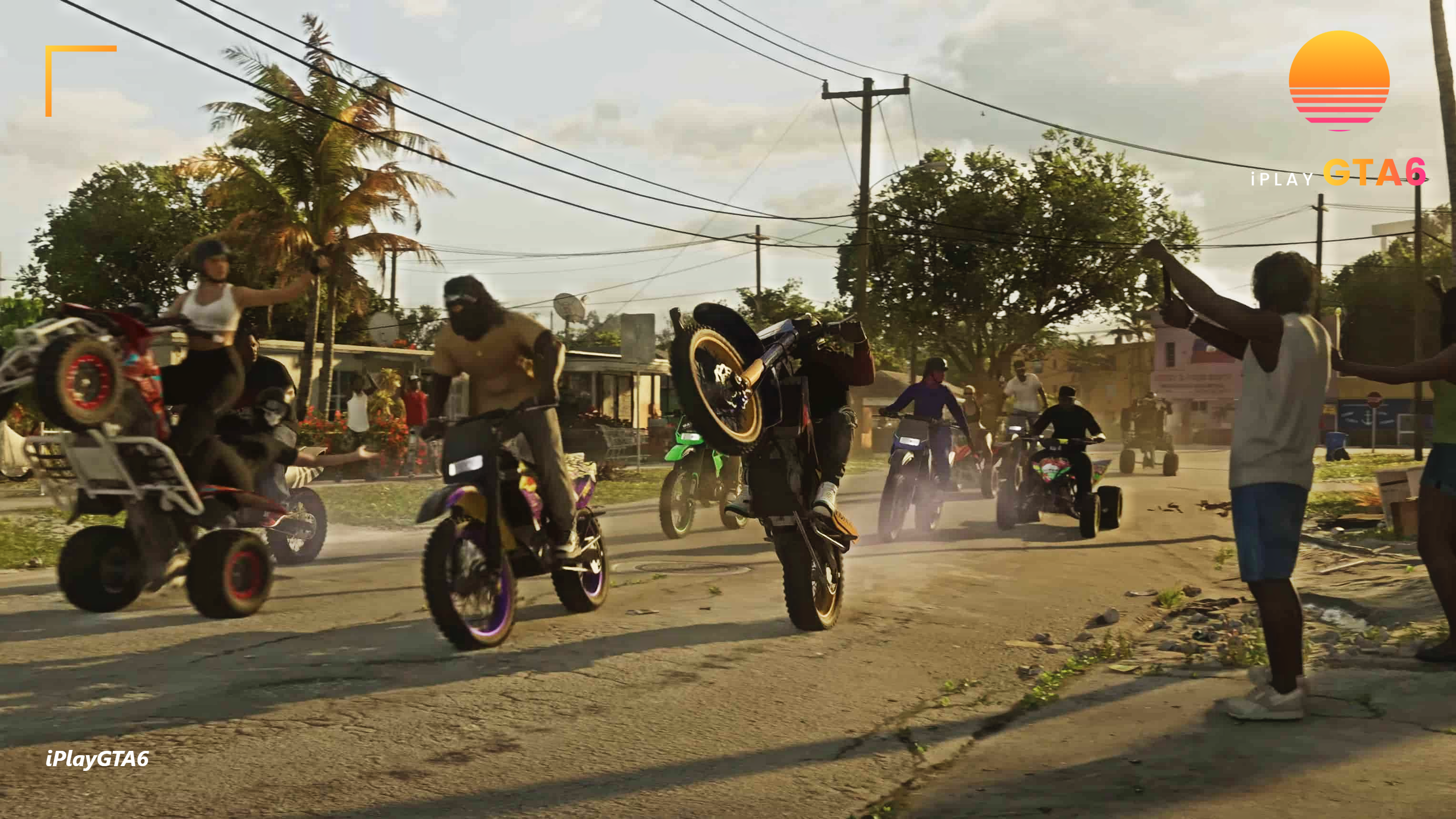
That isn't laziness, and it isn't a budget problem. Pedestrians in open-world games have been built the same way for decades, and the method has a hard ceiling. Grand Theft Auto VI looks like the first big-budget release to actually climb over it.
The Assembly Line Everyone Uses
The traditional approach treats an NPC as a finished product. An artist builds the character by hand, animates it against one fixed skeleton, and attaches a set of canned behaviours. Need a busy street? Copy that character a few hundred times and change the shirt colour.
The results are always the same four symptoms:
- Body types that keep reappearing in districts that shouldn't share a population
- Walk cycles and idle poses recycled at city-wide scale
- Behaviour that has nothing to do with where the character is standing
- Variety that thins out the longer you stand still and watch
None of this is obvious in ten minutes of play. It builds. Once your brain clocks the pattern, the illusion cracks and the street starts to feel like a set with extras waiting for direction.
Rockstar Hit the Same Wall
Rockstar's cities have always aimed higher than most. GTA pedestrians panic, scatter, argue and crash into other systems in ways few open worlds even attempt. The crowd is meant to generate its own moments.
Then you play GTA 5 for fifty hours and the seams show. The same silhouettes. The same looped gestures. Different outfits stretched over the same person. Rockstar had the money and the headcount, but the pipeline demanded a linear trade: every extra bit of realism cost a proportional amount of hand animation.
Eventually that maths stops working. You can't keep buying detail one artist-hour at a time.
Bigger Maps Made It Worse
The industry's answer for years was scale. Larger cities, sharper characters, thicker crowds. It never touched the repetition underneath, and in a few ways it turned the volume up.
| What studios added | What players got |
|---|---|
| Bigger cities | More hours spent noticing NPC behaviour |
| Higher fidelity models | Reused animation became easier to spot |
| Denser crowds | Patterns surfaced faster instead of hiding |
| More realism | Less room for duplication to slip by |
More scale never produced more variety. It just made the missing variety louder.
The Quiet Shift Around 2019
Something changed in how these characters get made. From around 2019, Take-Two Interactive started filing patents aimed at bottlenecks rather than graphics, covering how NPCs are constructed, animated, steered and managed when there are thousands of them on screen.
The important part is the idea underneath. Characters stop being individually authored assets and become modular entities put together by rules. Variety stops being something a team sculpts one copy at a time and becomes something the system produces, with realism and consistency enforced as it goes.
That single change is what separates GTA 6 from every GTA before it.
From Crowds to Populations
Once a person is built from parts instead of locked into one finished model, the numbers behave completely differently. A modest library of components can generate a huge range of people when sensible constraints govern how they combine. Proportions stay believable. Bodies still look like bodies.
Three things fall out of that:
- Visual variety that scales without the asset count exploding
- Movement that adapts to the frame it's attached to instead of breaking it
- Behaviour that responds to context rather than running one universal script
At that point a street is no longer a crowd of copies. It behaves like a population.
What You Already Noticed in the Trailers
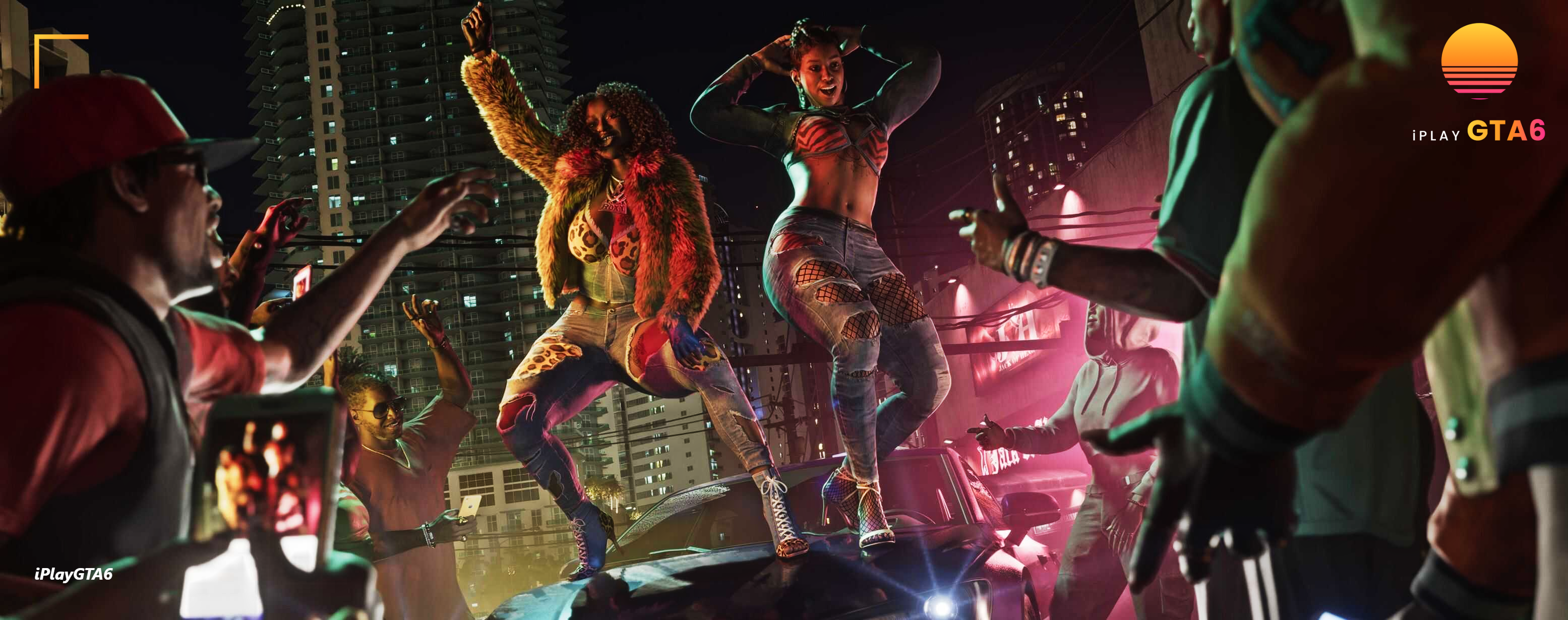
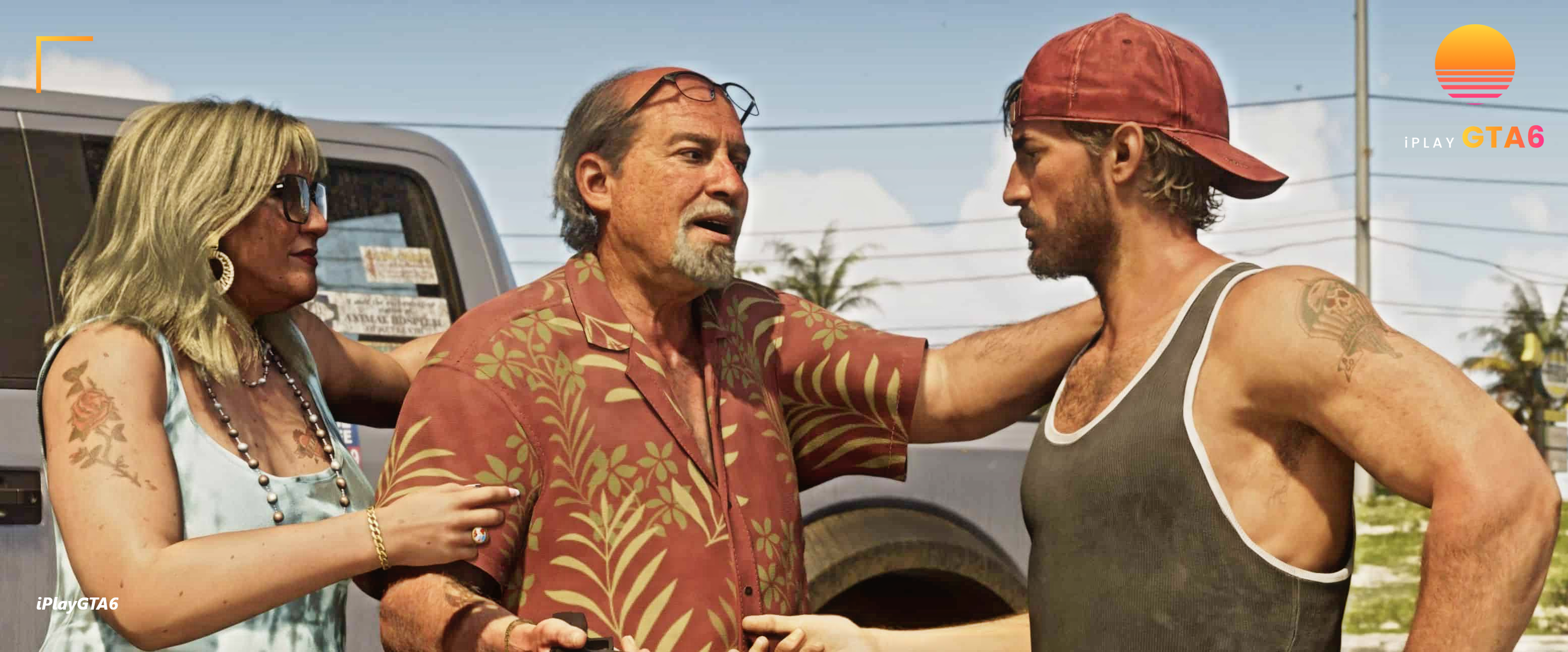
Plenty of people watching the GTA 6 trailers felt something odd and couldn't name it. The streets are packed without turning into noise. The faces are varied without looking like a character generator gone wrong. Movement sits on the ground instead of floating above it.
That impression is what several systems look like when they work quietly at once. Modular bodies cut the clones down. Adaptive animation kills identical motion. Behaviour driven by individual traits replaces rigid scripting. Nothing announces itself, and the world feels different anyway.
The difference between a city that looks populated and one that feels inhabited is exactly this, and it's the sort of thing you can't fake with a lighting pass.
A Replacement, Not an Upgrade
Every Rockstar release pushes tech forward, but this one is different in kind. Previous games refined the assembly line. GTA 6 appears to be dismantling it. Pedestrians are no longer decoration spread thin across a map, they're output from layered systems built to generate human variation at scale.
If even half of that is live, you won't notice it in one screenshot. You'll feel it in the absence of something: no repeated face at the fourth hour, no crowd that breaks character when you look too long, no city that needs to keep proving how busy it is.
Quick Questions
What was wrong with NPCs in older GTA games?
They were hand-authored assets reused with light variation. Walk cycles, idle animations and body shapes repeated across the map, and behaviour rarely matched the location.
How is GTA 6 different?
Characters are modular entities assembled by rules. Bodies, movement and behaviour adapt to location and context, so variety is generated by systems rather than sculpted one NPC at a time.
When did Take-Two start filing these patents?
Around 2019. The filings focus on how NPCs are built, animated, navigated and managed in large numbers, which is the same window GTA 6 moved into full production.
Does bigger map size fix repeated pedestrians?
No. Larger cities, sharper models and thicker crowds all made reuse easier to spot. Scale exposed the lack of variety instead of solving it.